
3 Most Popular Coffee Brewing Methods: Espresso, Pour Over & French Press
Coffee can be prepared in many different ways, and each coffee brewing method can bring out different characteristics in the same beans.
The coffee you enjoy at a café may taste very different when brewed at home—not necessarily because the beans are different, but because the brewing method changes how water interacts with the ground coffee.
Among the many ways to make coffee, three methods remain particularly popular around the world: espresso, pour over, and French press.
Each method uses a different approach to extraction and creates a different drinking experience. Espresso uses pressure to produce a concentrated coffee, pour over uses gravity and filtration to create a clean and expressive cup, while French press uses immersion to produce a fuller-bodied brew.
Let's take a closer look at how these three coffee brewing methods work and what makes each one unique.
What Is Coffee Brewing?
Coffee brewing is the process of extracting soluble compounds from ground coffee using water.
Although the basic principle is simple, many variables affect the final cup, including:
Coffee variety and origin
Roast level
Grind size
Water temperature
Coffee-to-water ratio
Brewing time
Water quality
Agitation
Filtration
Brewing pressure
Changing one or more of these variables can significantly affect the flavor, aroma, body, and balance of the coffee.
This is why the same coffee beans can taste noticeably different when prepared using different brewing methods.
1. Espresso
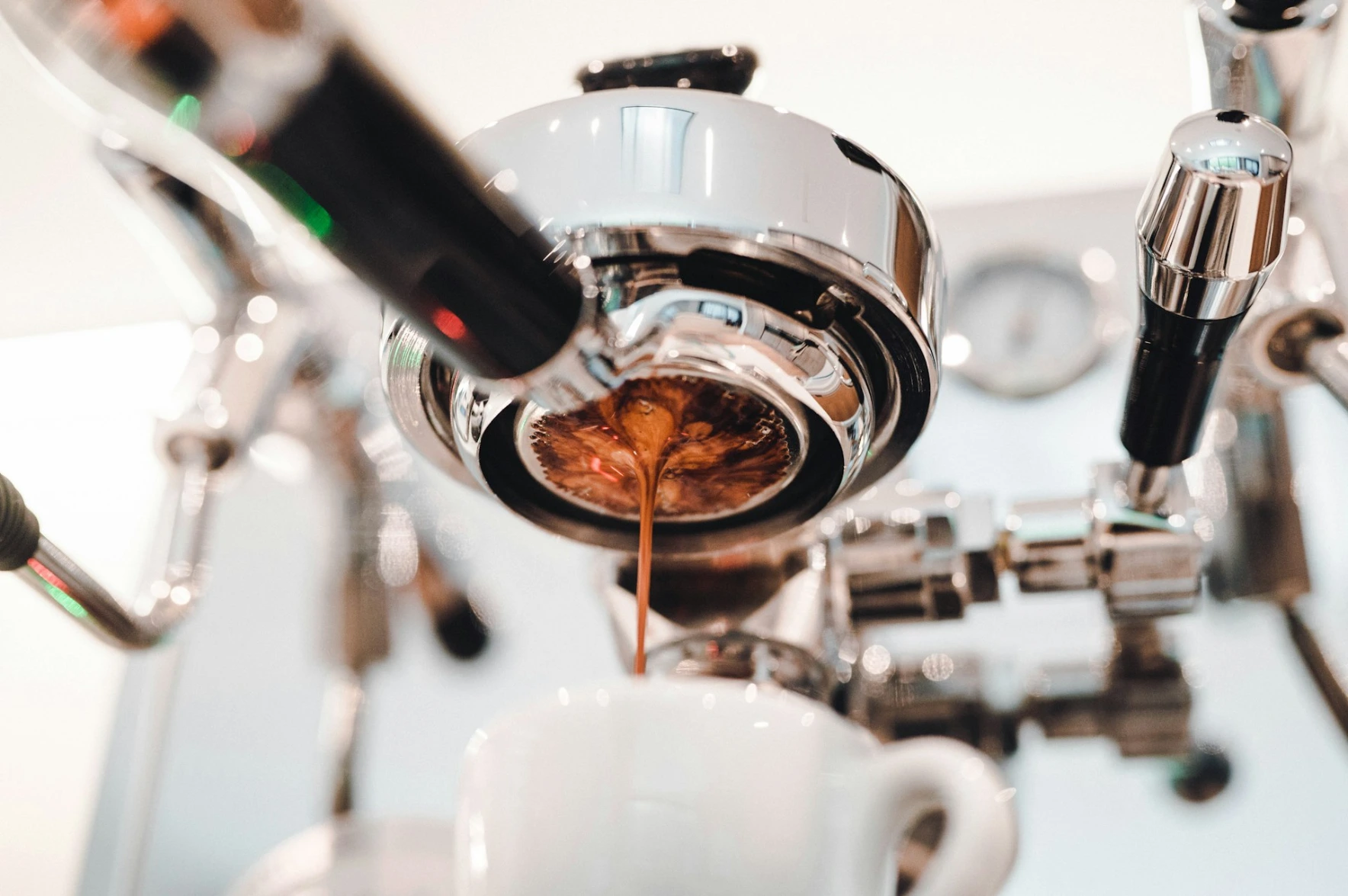
Espresso is one of the most recognizable coffee brewing methods in the world.
Unlike filter coffee or French press, espresso is made by forcing hot water through a compact bed of finely ground coffee under pressure. The result is a small, concentrated beverage with intense flavor and a characteristic layer of crema when properly prepared.
How Is Espresso Made?
A typical espresso preparation involves several important steps:
Grind roasted coffee beans finely.
Measure an appropriate dose of coffee.
Distribute the grounds evenly in the portafilter.
Tamp the coffee evenly.
Lock the portafilter into the espresso machine.
Run hot water through the coffee under pressure.
Stop the extraction at the desired beverage weight and time.
Because espresso is highly concentrated, small changes in grind size, dose, distribution, water temperature, and extraction time can noticeably change the final result.
What Does Espresso Taste Like?
Espresso can have a wide range of flavor characteristics depending on the coffee and roast profile.
It may be:
Rich and intense
Sweet and syrupy
Fruity
Chocolatey
Nutty
Bright and acidic
Bitter or roasty when poorly extracted
The brewing method itself does not determine the flavor completely. The coffee's origin, variety, processing method, roasting profile, freshness, and recipe all contribute to the final cup.
Espresso-Based Coffee Drinks
Espresso is also the foundation of many popular café beverages, including:
Americano
Cappuccino
Caffè latte
Flat white
Macchiato
Mocha
This makes espresso particularly important in cafés and coffee shops.
Who Is Espresso Best For?
Espresso is a good choice for coffee drinkers who enjoy concentrated coffee and café-style beverages.
It is also the preferred brewing method for many coffee shops because one espresso extraction can serve as the foundation for a wide range of drinks.
2. Pour Over Coffee
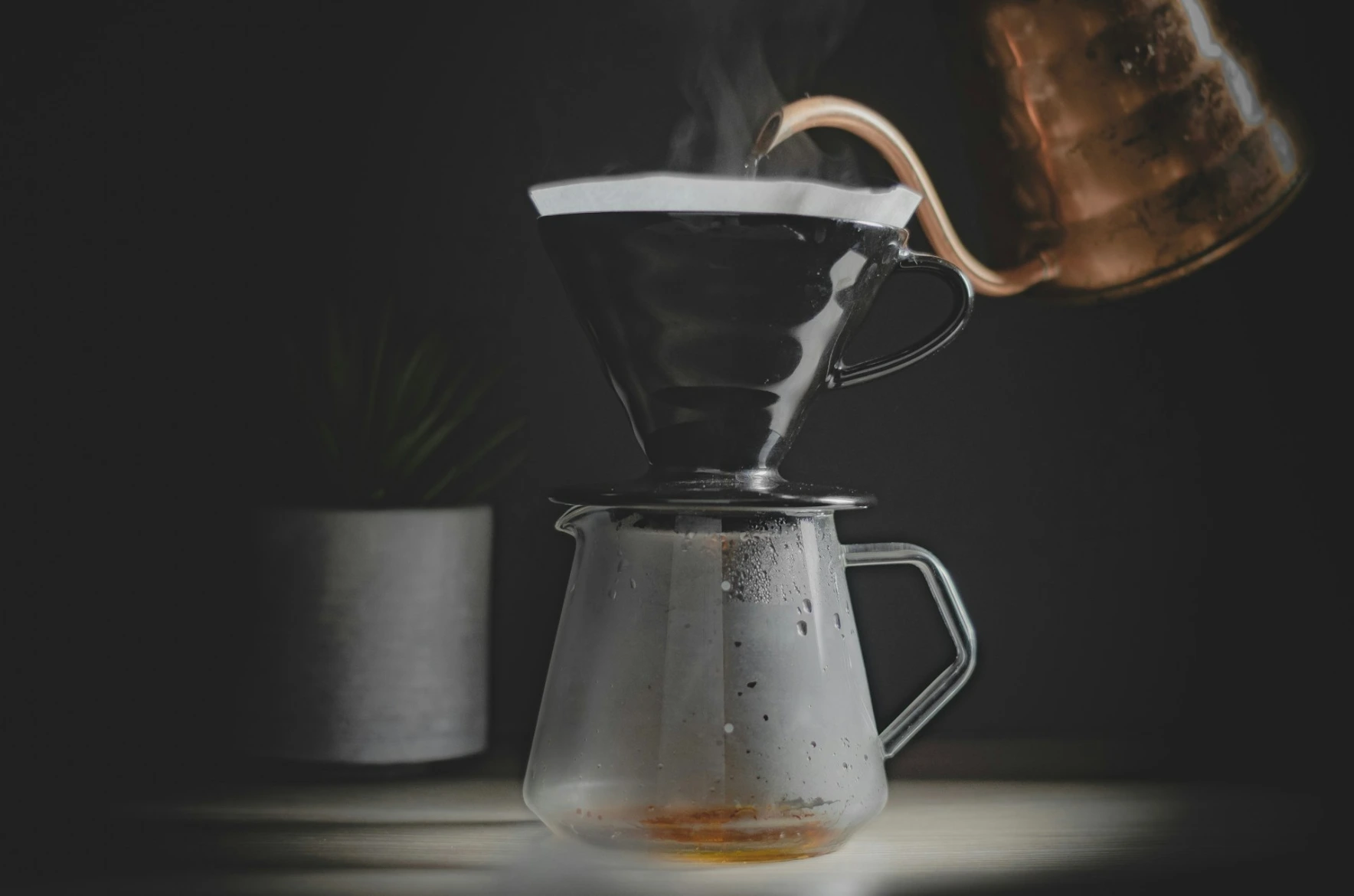
Pour over coffee is a manual brewing method in which hot water is poured over ground coffee held in a filter. Gravity then draws the water through the coffee bed and into a cup or carafe below.
Popular pour-over brewers include:
Hario V60
Chemex
Kalita Wave
Other cone and flat-bottom drippers
How Does Pour Over Work?
The basic process is relatively simple:
Place a filter inside the brewer.
Rinse the filter if appropriate.
Add freshly ground coffee.
Pour a small amount of hot water over the grounds to begin the bloom.
Gradually pour the remaining water over the coffee.
Allow the brewed coffee to pass through the filter.
Serve immediately.
The brewer gives the user considerable control over the brewing process. Pouring technique, water temperature, grind size, and total brewing time can all influence extraction.
What Does Pour Over Coffee Taste Like?
One of the main characteristics of pour over coffee is clarity.
Paper filtration removes much of the coffee's oils and fine particles, allowing delicate aromas and flavor characteristics to stand out.
Depending on the coffee, a pour-over brew may highlight:
Floral aromas
Citrus notes
Berry-like fruit
Stone fruit
Sweetness
Clean acidity
Delicate tea-like characteristics
This makes pour over particularly popular among specialty coffee enthusiasts who want to explore the distinctive characteristics of different origins and varieties.
Who Is Pour Over Best For?
Pour over is ideal for people who enjoy:
Manual brewing
Experimenting with coffee recipes
Single-origin coffee
Clean and complex cups
Exploring subtle flavor differences
It does require more attention than an automatic drip machine, but that hands-on process is part of its appeal.
3. French Press
The French press is one of the simplest and most familiar manual coffee brewing methods.
Unlike pour over, which is a percolation method, French press uses immersion brewing. Ground coffee remains immersed in hot water for several minutes before a metal mesh plunger separates the coffee grounds from the brewed coffee.
How Does a French Press Work?
The basic process is straightforward:
Grind coffee beans relatively coarsely.
Add the coffee to the French press.
Pour hot water over the grounds.
Allow the coffee to steep.
Gently press the plunger down.
Pour the coffee into a cup or serving vessel.
Because the metal filter allows more coffee oils and fine particles to remain in the beverage than a paper filter, French press coffee generally has a fuller and heavier mouthfeel.
What Does French Press Coffee Taste Like?
French press coffee is often associated with:
Full body
Rich mouthfeel
Pronounced sweetness
Chocolate and caramel notes
Nutty characteristics
More visible texture
The final cup can also contain a small amount of sediment, which is a normal characteristic of the method.
Who Is French Press Best For?
French press is a good choice for coffee drinkers who prefer:
Full-bodied coffee
Rich mouthfeel
Simple equipment
Easy manual brewing
Brewing multiple cups at once
It is also an accessible method for people who want to start exploring manual coffee brewing without investing in an espresso machine.
Espresso vs. Pour Over vs. French Press
Although all three methods use coffee and water, they create very different results.
| Feature | Espresso | Pour Over | French Press |
|---|---|---|---|
| Brewing principle | Pressure | Gravity / percolation | Immersion |
| Typical grind | Fine | Medium to medium-fine | Coarse |
| Filtration | Espresso basket | Usually paper filter | Metal mesh |
| Body | Concentrated and intense | Light to medium | Full and rich |
| Clarity | High intensity | High clarity | Lower clarity |
| Sediment | Very low | Very low with paper | More noticeable |
| Equipment | Espresso machine | Dripper + kettle | French press |
| Skill level | High | Moderate | Relatively simple |
| Typical use | Espresso & café drinks | Manual filter coffee | Full-bodied brewed coffee |
These are general characteristics rather than strict rules. Different equipment, recipes, coffee beans, and brewing techniques can produce very different results within each method.
Which Coffee Brewing Method Should You Choose?
There is no single coffee brewing method that is best for everyone.
The right choice depends on the type of coffee you enjoy, how much time you have, the equipment available to you, and how involved you want to be in the brewing process.
Choose Espresso If You:
Enjoy concentrated coffee
Like cappuccinos, lattes, or Americanos
Want café-style beverages
Are willing to learn espresso preparation
Don't mind investing in specialized equipment
Choose Pour Over If You:
Enjoy clean and nuanced coffee
Like exploring single-origin beans
Want greater control over brewing
Enjoy manual coffee preparation
Are interested in developing brewing skills
Choose French Press If You:
Prefer rich and full-bodied coffee
Want a simple brewing process
Prefer minimal equipment
Want to brew several cups at once
Are new to manual coffee brewing
How Grind Size Affects Coffee Brewing
Grind size is one of the most important variables in coffee preparation.
Generally:
Fine grind is commonly used for espresso.
Medium to medium-fine grind is common for pour over.
Coarse grind is commonly used for French press.
The reason is that different brewing methods expose coffee to water in different ways.
A finer grind increases the surface area available for extraction, while a coarser grind slows extraction. However, grind size should always be considered together with brewing time, water temperature, coffee dose, and other variables.
If coffee tastes excessively sour or weak, extraction may be insufficient. If it tastes excessively bitter, harsh, or drying, extraction may be too high or uneven.
These are useful starting points rather than universal rules.
Does the Same Coffee Taste Different With Different Brewing Methods?
Absolutely.
One of the most interesting aspects of coffee is that the same beans can produce very different sensory experiences depending on how they are brewed.
For example, a fruity single-origin coffee might show more clarity and acidity when prepared as a pour over.
The same coffee prepared using a French press may feel heavier and more rounded because more oils and fine particles remain in the cup.
Prepared as espresso, the same coffee becomes much more concentrated, intensifying its sweetness, acidity, bitterness, and aroma.
This is one reason coffee enthusiasts enjoy experimenting with different brewing methods.
Other Popular Coffee Brewing Methods
Espresso, pour over, and French press are only three of many ways to prepare coffee.
Other popular methods include:
Automatic Drip Coffee
Automatic drip machines heat water and distribute it over ground coffee automatically.
They are convenient and consistent, making them particularly popular for everyday coffee preparation and larger servings.
AeroPress
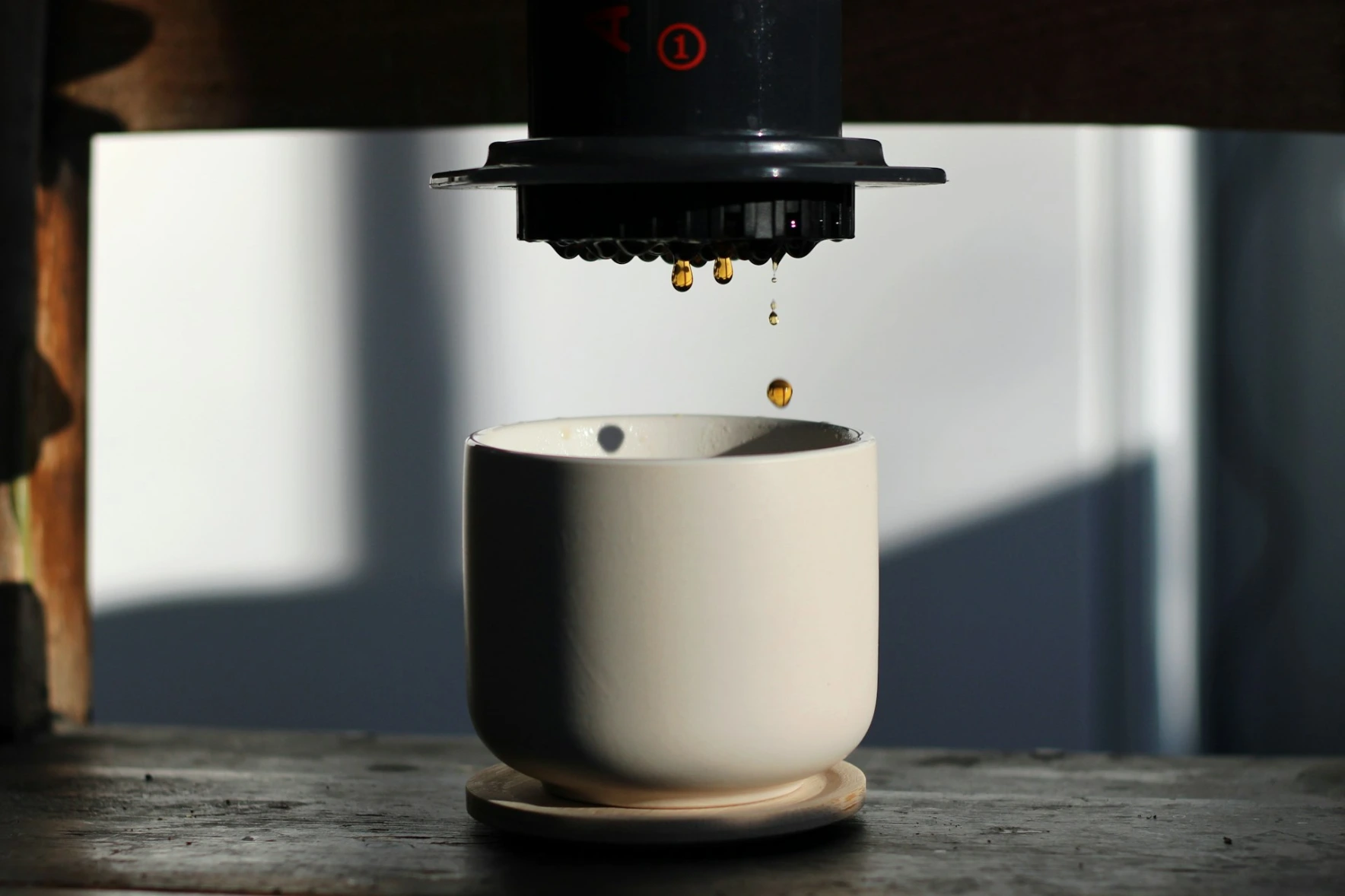
The AeroPress combines immersion with pressure and filtration. It is compact, versatile, and can produce a range of coffee styles depending on the recipe.
Moka Pot
A moka pot uses pressure generated by heated water and steam to move water through ground coffee. It produces a strong, concentrated coffee that is different from true espresso.
Cold Brew
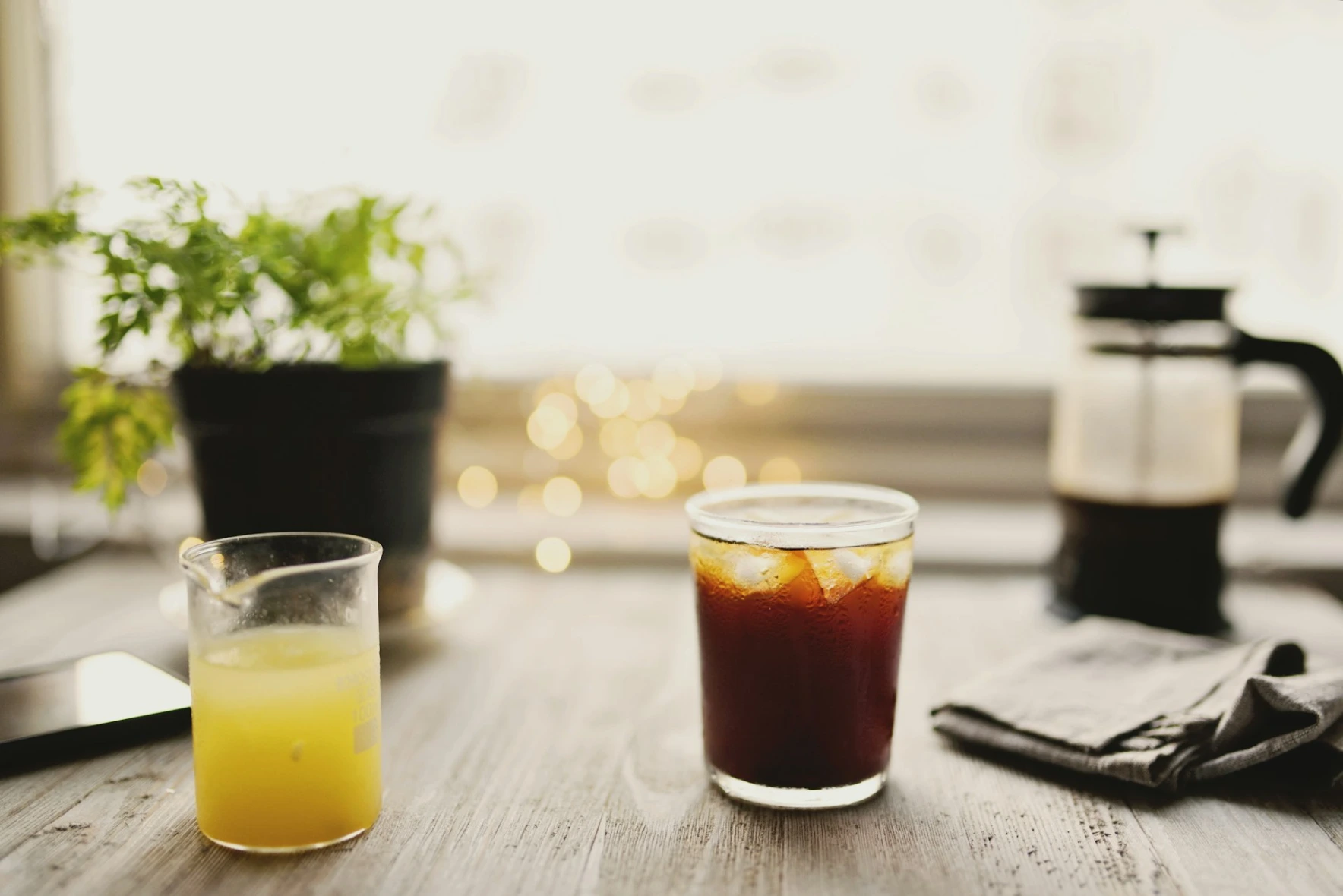
Cold brew uses extended contact between coffee grounds and cool or room-temperature water.
Because extraction occurs over a much longer period than typical hot brewing, cold brew requires a different approach to grind size, brewing time, and coffee-to-water ratio.
Turkish Coffee
Turkish coffee uses very finely ground coffee brewed directly with water, traditionally in a small pot known as a cezve or ibrik.
The grounds are not filtered out completely, giving the beverage its distinctive texture and preparation style.
How to Make Better Coffee at Home
Regardless of the brewing method you choose, several fundamentals can improve your coffee.
Use Fresh Coffee
Freshly roasted coffee can provide more expressive aroma and flavor than stale coffee. Store roasted coffee properly and avoid prolonged exposure to oxygen, heat, moisture, and light.
Grind Before Brewing
Grinding coffee immediately before brewing helps preserve more of its aroma and volatile compounds.
A quality burr grinder can also produce a more consistent particle size than many basic blade grinders.
Use Good Water
Coffee is mostly water, so water quality matters.
Water with an unsuitable mineral composition can affect extraction and flavor. Clean, good-tasting water is an important starting point for better coffee.
Measure Your Coffee and Water
Instead of relying only on spoons or visual estimates, using a digital scale can make your brewing more consistent.
Keeping track of coffee dose, water quantity, and brewing time makes it easier to reproduce a recipe.
Control Your Brewing Variables
When adjusting a recipe, change one variable at a time whenever possible.
For example, if your coffee tastes too weak, you might first adjust the grind size or coffee-to-water ratio rather than changing several factors simultaneously.
This makes it easier to understand what is affecting the final cup.
From Coffee Bean to Cup
The brewing method is only one part of the coffee journey.
The final flavor of a cup is influenced by the entire chain:
Coffee variety → Origin → Processing → Roasting → Grinding → Brewing
A high-quality coffee bean can produce a very different cup depending on how it is roasted, ground, and brewed.
Understanding this journey helps coffee drinkers make better brewing decisions and appreciate why coffees from different origins can taste so different.
Final Thoughts
There are many ways to make coffee, but espresso, pour over, and French press remain three of the most widely recognized and useful brewing methods to understand.
Espresso delivers a concentrated coffee experience and forms the foundation of many café beverages. Pour over emphasizes clarity and gives the brewer considerable control over extraction. French press uses immersion to create a rich, full-bodied cup with more oils and fine particles.
Rather than asking which method is universally the best, consider what you want from your coffee.
Do you prefer a concentrated espresso, a clean and nuanced pour over, or a rich and full-bodied French press?
Once you understand how each method works, you can experiment with different coffees, grind sizes, water, and recipes—and discover how much the brewing process can change the experience of the same coffee beans.