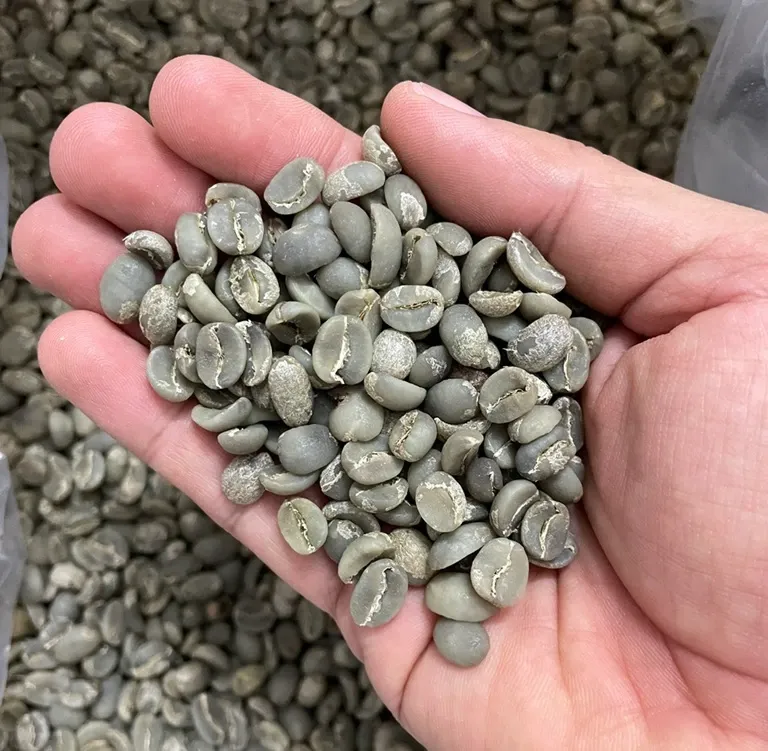
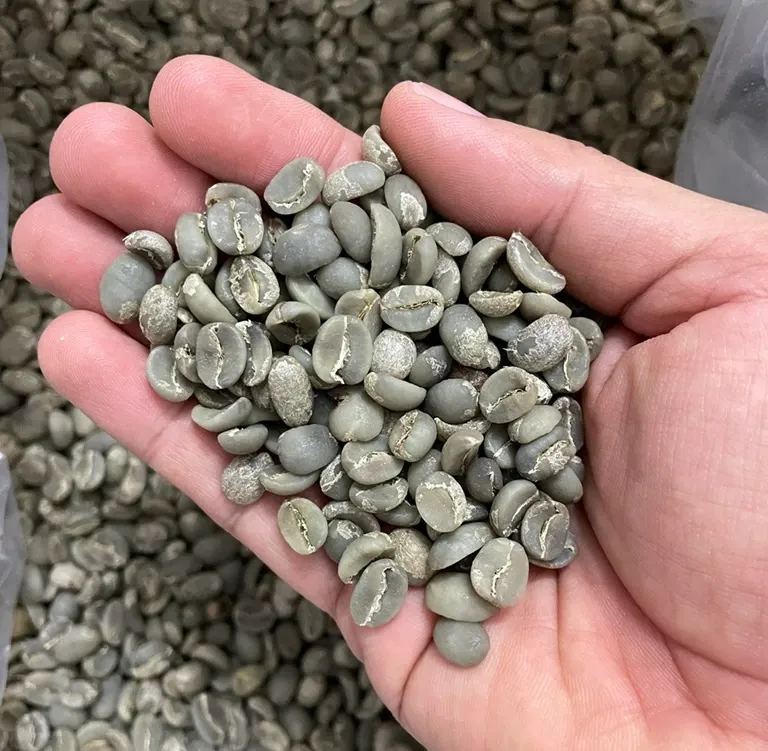
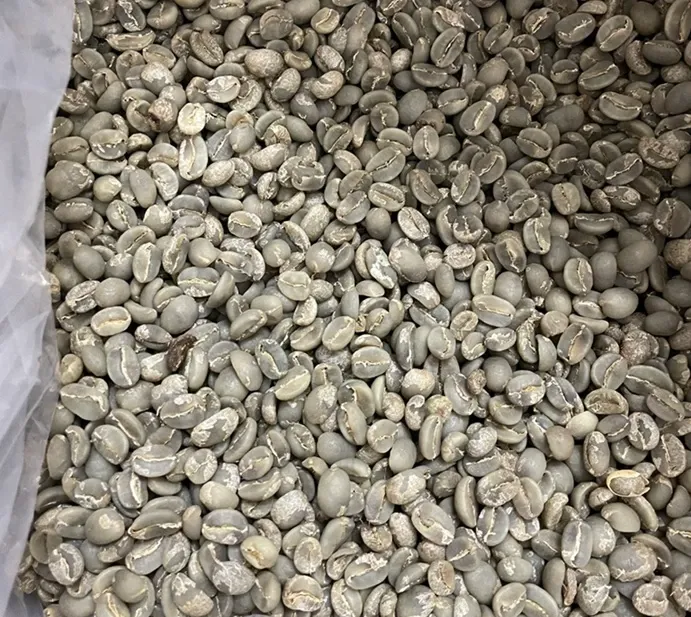
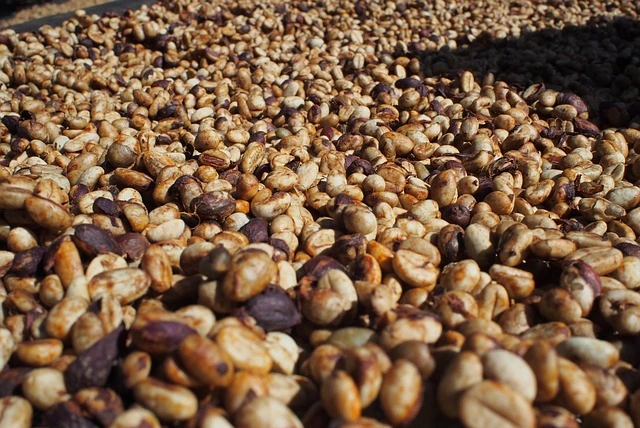
What is WSCAFE's green arabica coffee?
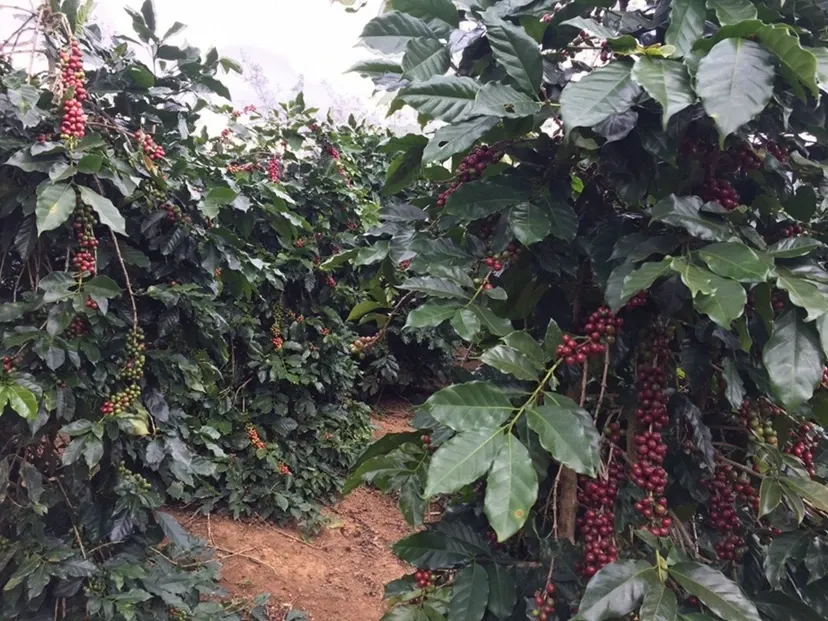
Arabica and robusta are the two main varieties of coffee in the world today. In Vietnam, arabica coffee was first initially planted around 1880s in the Northern Vietnam (which then was called Tonkin). Years later, new lands were found and then Da Lat is now the most famous growing region for Vietnamese green, raw arabica coffee. Other places are Mang Den, Khe Sanh, Son La & Dien Bien, A Luoi, Thai Hoa, in which A Luoi and Thai Hoa are now almost no more growing coffee trees.
Arabica is the most favorite coffee variety. It is rich in aroma, tastes and flavors. Arabica around the world has different flavor notes that the cuppers have already built a flavor wheel to record. Arabica is magical, represents the beauty world of coffee.
There are three main processing methods for green arabica coffee including natural processing, washed processing and honey-processing. The washed processing is the most popular and is easier for quality control.
Particularly, WSCAFE's green arabica from Da Lat is very unique; that is, it is a mixture of Catimor and different kinds of original arabica i.e. Caturra, Yellow Bourbon, Mocha and Typica. As a result, it has unique featured cupping notes of Vietnamese arabica coffee. Unlike the other arabica growing regions on the Earth's south, Vietnam is located on the Northern part where arabica coffee is grown differently and possessing its own unique notes.
Da Lat, the capital of arabica of Vietnam.
🌄The average altitude is from 1,200 meters to 1,500 meters above sea level, perferect for cultivating arabica coffee. High mountains: Langbian (2,167m); Bidoup (2,287m) and Yang Bong (1,749m).
🌦️Cool weather (16oC to 25oC) with a big gap between day vs night; yearly rainfall is from 1,750mm to 3,150mm per year.

How is green arabica coffee made?
It is difficult to process green arabica coffee beans because the wrong process will ruin the beans. Before carrying out the proper processing for each lot of arabica, we must choose the ripened cherries and pick the qualified arabica coffee berries. Then we apply natural, washed or honey-processed method upon customer's request.
Hand pick
Hand-picked arabica coffee means we use our hands to pick the red coffee cherries from the coffee trees on the farms. This is a hard-working task and requires strong and heavy-dutied pickers to pick the coffee fruits. Handling the coffee cherries from the farms to the factory is also a very challenging job which is eligible for experienced men.
Processing + Drying
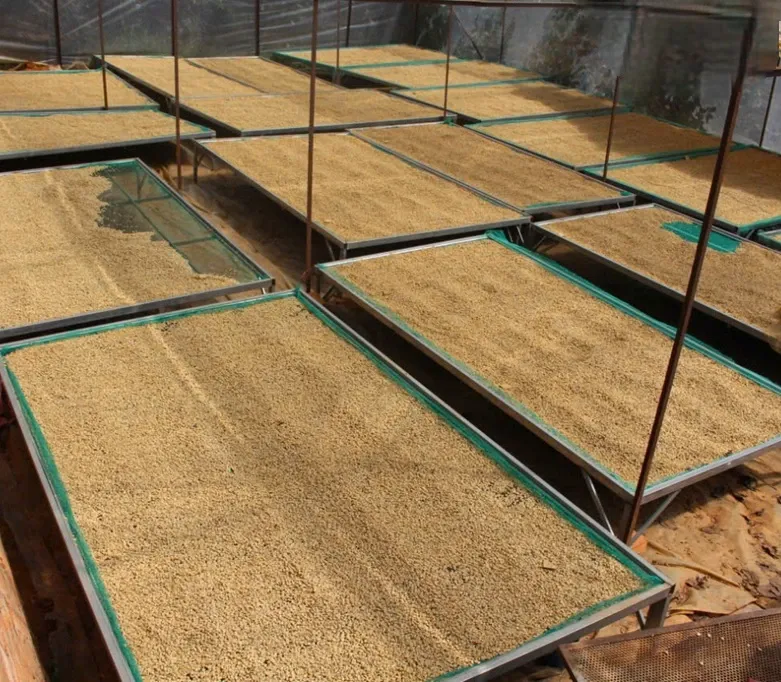
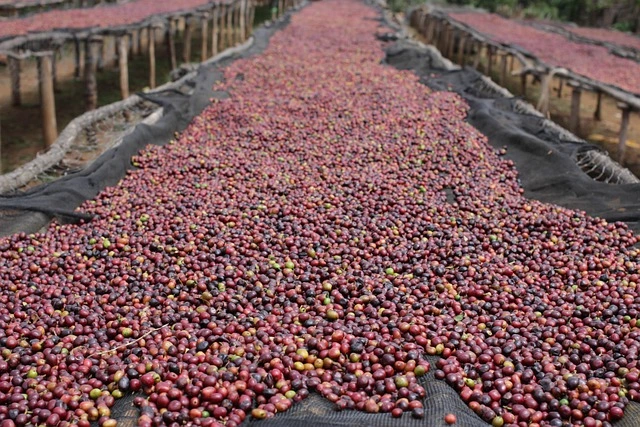
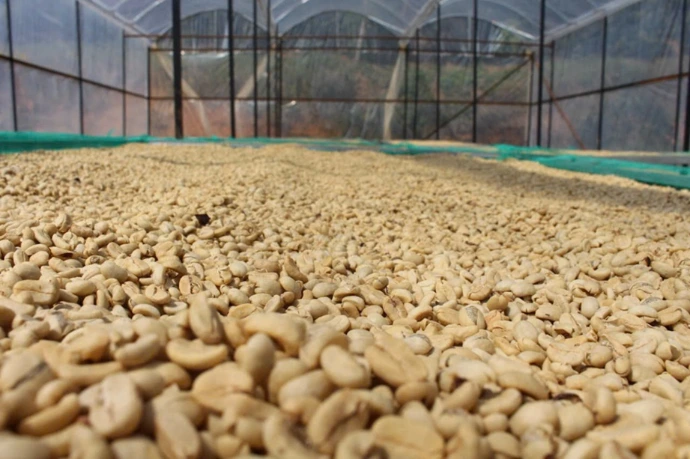
Natural (unwashed): Natural (or unwashed, no water applied) processing for green arabica coffee is the oldest and traditional way to proceed the fresh arabica berries. In the natural method, farmers will put the arabica green coffee on their yards and have the sunlight to dry the coffee fruits out. It usually takes weeks of continuous sunshine to complete the natural processing. The dried coffee fruit then will have a moisture of around 13%. Because the unwashed is easy to do and doesn't require a lot of facilities, it is widely preferred by farmers.
Fully washed: Fully washed is more difficult than the unwashed. Washing method means at first we need water during the process. This requires suitable facilities such as big water tanks, grinders, washers, water supply and drainage, water treatment, etc. which are gonna be a huge one-time investment. But the time for operations is limited because we are operating them for about 3 - 4 months at the beginning of each season. However, the good point is that you can control the quality strictly. The quality is seamless with shiny beans of right distribution.
Honey-processed: Honey-processed is mostly suitable for microlot and specialty coffee as this method is really difficult to do. Just like the way you 'brew' grape wines. It needs to take care of many different small processes, steps, temperature, enzymes and weather.
Storing
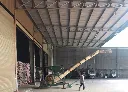
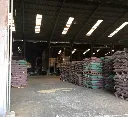
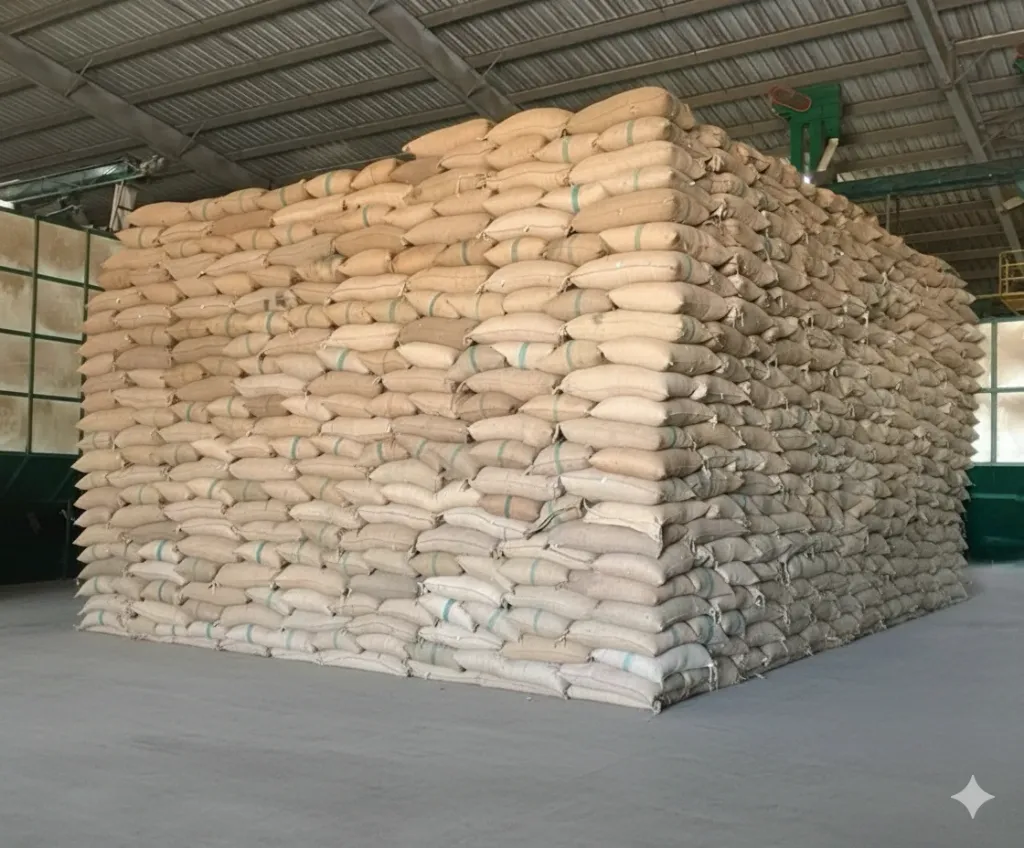
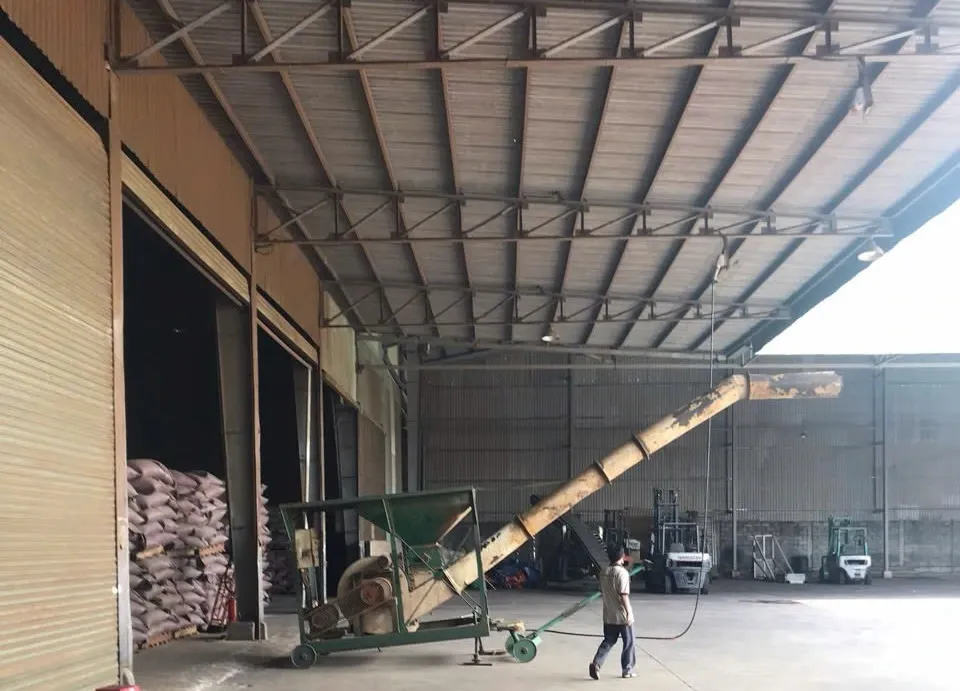
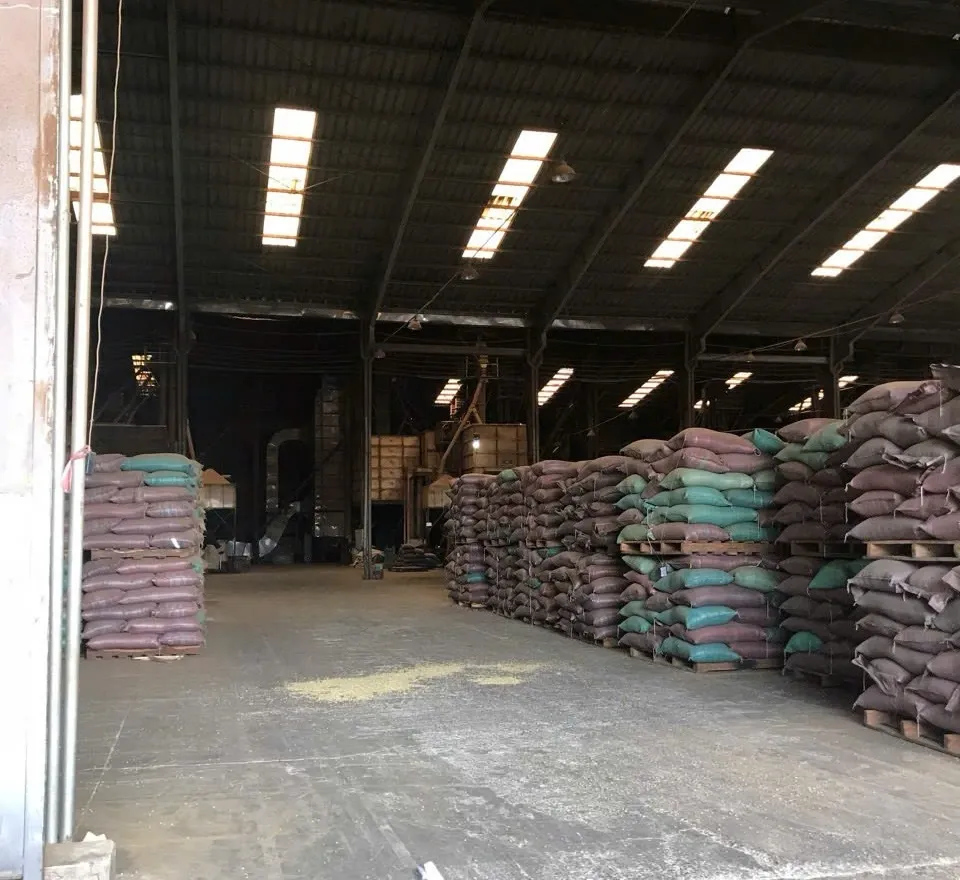
Some experts state that green arabica coffee must be kept froozen in the air-conditioned room. It sounds great but the cost of storage really matters. This shows that the proper storage for green arabica coffee is very important to extend the shelf-life, maintain the quality of it. To us, green arabica coffee beans will be kept in the well-equipped warehouse in Da Lat region where the climate is cool all year round and the beans can "breath" freely to be good at quality as long as possible.
Choosing a right place to store your green arabica coffee beans is the key component to maintain the quality. Da Lat, where we store our premium raw arabica coffee, which is a cool and dry place with the winds from Vietnamese East Sea will help to balance the beans' moisture and specially lock the aromas during the storing processes.

How is green arabica coffee consumed?
Arabica Espresso.
Think espresso?! Think arabica. Billions of cups of espresso coffee being consumed a day throughout the world make it become the world's most popular drink. And the best coffee for making espresso coffee is arabica. Arabica is rich in aroma with flavorful tastes of different cupping notes. Espresso or expresso in which 'express' means quick and fast completely extracts the essence of arabica ground coffee powder.
Of course, green arabica coffee must be roasted and ground before brewing a perfect cup of espresso, or a cup of Joe.
How about robusta? You can definitely make a cup of espresso with robusta coffee. However, as robusta is quite strong and robusta, the cupping notes aren't as rich as arabica coffee, that's why arabica is always the first choice for brewing espresso. Some might take the blending between arabica and robusta when the arabica coffee prices soar.
Premium Coffee.
To be called 'premium coffee', it must be arabica coffee beforehand. Why? Because arabica is mild, rich in aromas and flavors, diversified in notes from floral to fruity notes, etc. While robusta even robusta fine cup is purely smelled as coffee with not many notes, arabica is a complicated world of aromas, flavors and notes. It is deserved to be 'premium coffee'.
How is green arabica coffee packed?
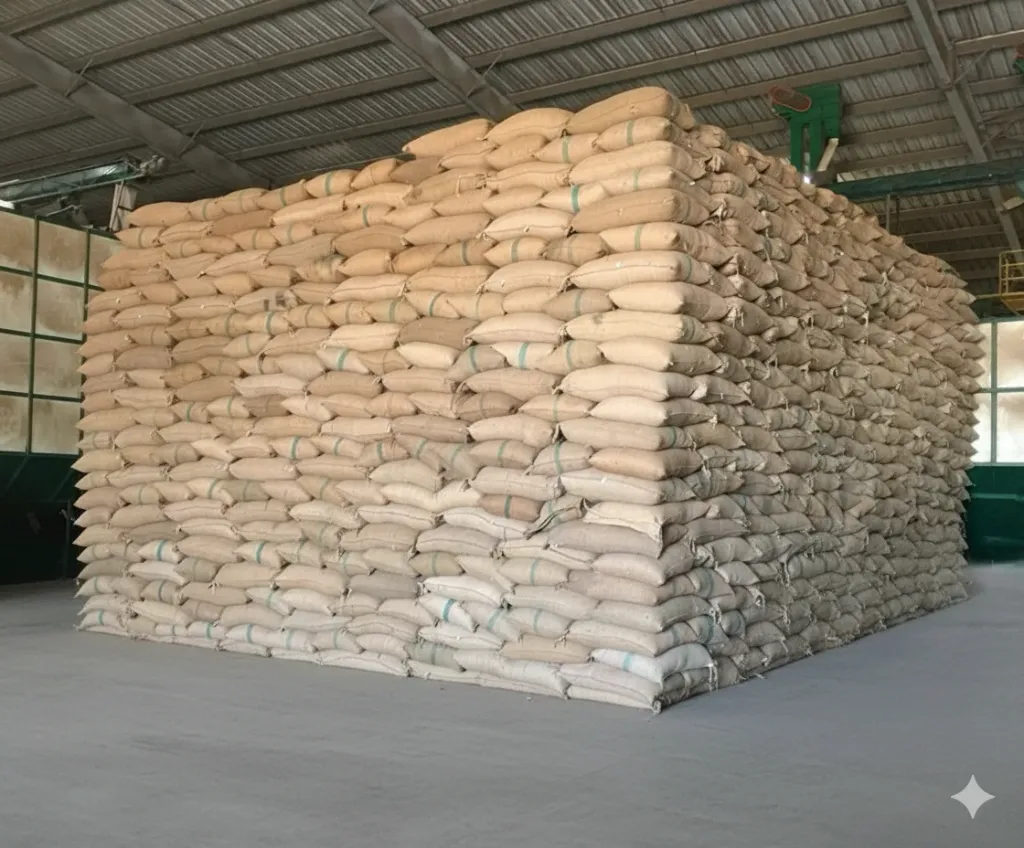
There are various types of packaging for green arabica coffee beans. They are small bags as retail, big bags as wholesale, jumbo bags for roasting factories or blowing the beans into the containers. Among them, 60 kilograms per jute bags (or jute burlap sack) or PP bags is the most popular one as it is easy to deliver, distribute, store and ready to roast by roasters.
The coffee roasters or coffee roasting machines are even specifically designed for the sizes of green coffee bags. For example, a 30 kilogram coffee roaster is also called a half-bag coffee roaster.
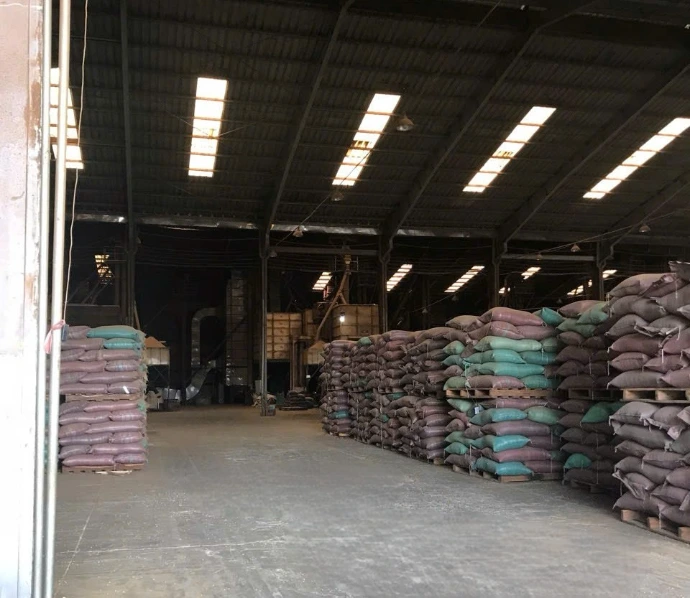
The bulk packs for green arabica coffee by WSCAFE
WSCAFE offers different kinds of packaging for green arabica coffee upon customer's request. It can be 500 grams to 1 kilograms per pack for home roasters, 10 kilograms to 30 kilograms for shop roasters, 60 kilograms for industrial roasters.
Conclusion.
To sum up, WSCAFE partners with arabica coffee growing farmers across Da Lat, Lam Dong, Vietnam to choose the well-selected green arabica coffee beans for our customers worldwide. The Da Lat single origin green arabica coffee is really really special thanks to its hybrid (mixture) of Catimor arabica variety with original arabica including Mocha, Typica, Bourbon and Caturra. Our arabica is rich in aromas, flavors with beautiful notes of baked bread, chocolaty and fruity citrus. We mainly produce fully-washed green arabica and honey-processed arabica for microlots.