
Jamaica Blue Mountain Coffee: What Makes It So Special?
Jamaica Blue Mountain Coffee is one of the most recognizable names in the world of premium Arabica coffee. Grown in the Blue Mountain region of eastern Jamaica, this coffee is known for its distinctive origin, high-altitude growing conditions, careful processing, and strict control over the use of the Jamaica Blue Mountain name.
For coffee enthusiasts, Jamaica Blue Mountain represents more than a particular flavor profile. It is an example of how geography, climate, coffee varieties, cultivation practices, processing, and origin protection can come together to create a highly distinctive coffee identity.
But what exactly makes Jamaica Blue Mountain Coffee special? And how does it compare with another highland Arabica from Asia—Da Lat Arabica coffee from Vietnam?
What Is Jamaica Blue Mountain Coffee?
Jamaica Blue Mountain Coffee comes from a legally defined coffee-growing region in the Blue Mountains of eastern Jamaica.
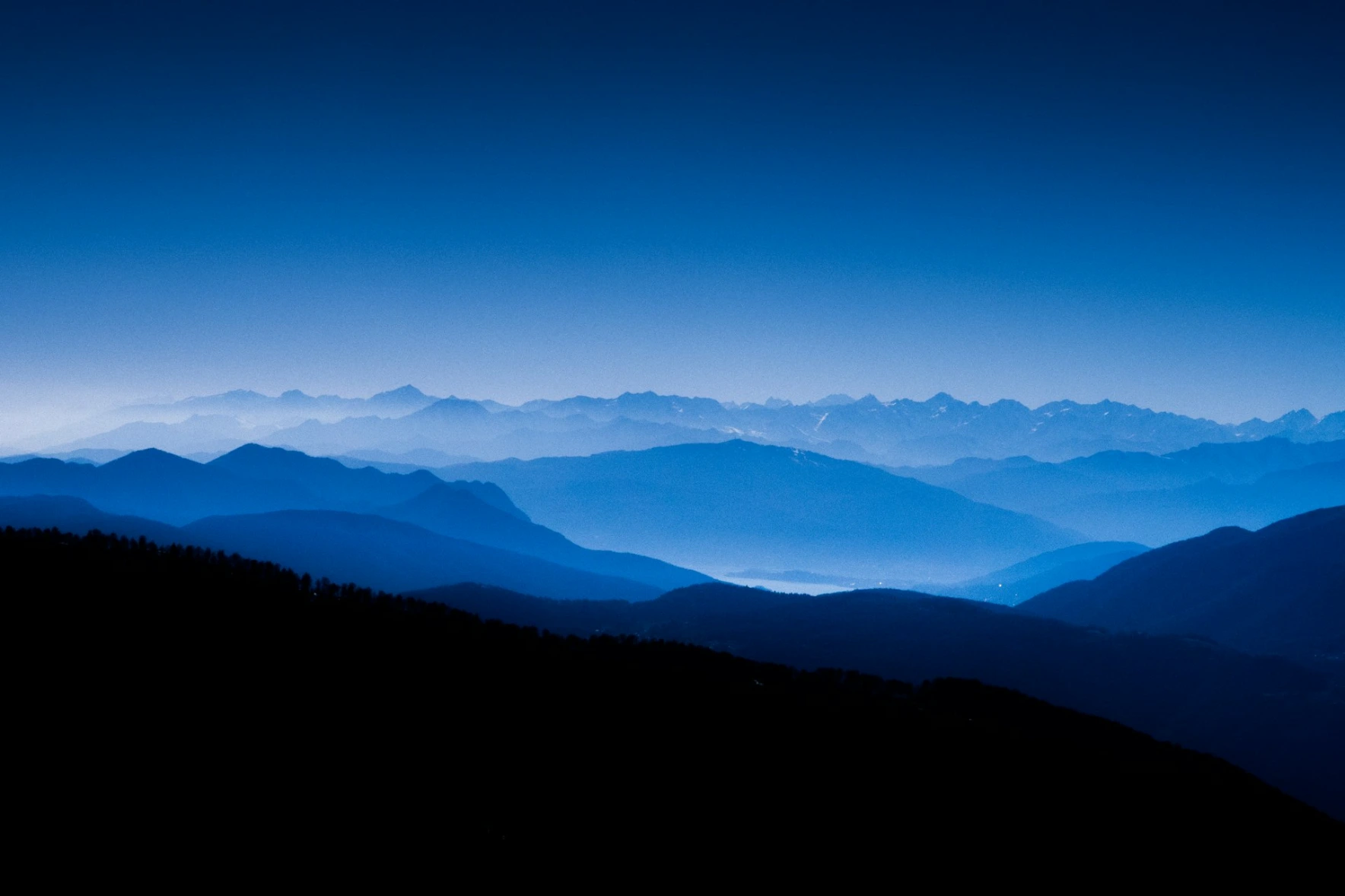
The Blue Mountains rise to around 2,300 meters above sea level, creating a cool, misty environment with significant rainfall and distinctive mountain soils. Coffee grown in this region benefits from a combination of altitude, climate, and relatively slow cherry development.
However, not every coffee grown in the Blue Mountains can automatically be called Jamaica Blue Mountain Coffee.
The name is protected, and Jamaica's agricultural authorities regulate the coffee industry and the use of the Jamaica Blue Mountain trademark. JACRA—the Jamaica Agricultural Commodities Regulatory Authority—is responsible for licensing and monitoring coffee stakeholders and overseeing the integrity and licensing of the Jamaica Blue Mountain® trademark.
This geographical and regulatory protection is an important part of the coffee's identity.
Where Is Jamaica Blue Mountain Coffee Grown?
The Blue Mountain coffee-growing region is located in eastern Jamaica, between areas including Kingston to the south and Port Antonio and Port Maria to the north.
The region is characterized by:
High elevations
Cool and misty conditions
Frequent rainfall
Mountainous terrain
Well-drained soils
Shaded growing environments
Commercial descriptions of Jamaica Blue Mountain coffee commonly place its growing elevations within approximately 3,000–6,000 feet (900–1,800 meters), although the precise geographical definition depends on Jamaica's regulated production areas.
Altitude is particularly important because cooler temperatures at higher elevations can slow the maturation of coffee cherries. This extended development period can contribute to the physical characteristics and flavor complexity associated with high-altitude Arabica coffee.
What Variety Is Used for Jamaica Blue Mountain Coffee?
Jamaica Blue Mountain coffee is predominantly Arabica, with Typica being the principal variety associated with the coffee.
Typica is one of the historically important Arabica varieties and is known for its association with elegant cup profiles and traditional coffee-growing regions.
The variety alone, however, does not explain the character of Jamaica Blue Mountain.
Coffee flavor is influenced by many factors, including:
Genetic variety
Altitude
Climate
Soil
Shade
Cherry maturity
Harvesting
Processing
Drying
Roasting
Brewing
This is why the same Arabica variety can taste very different when grown in different parts of the world.
How Is Jamaica Blue Mountain Coffee Processed?
Jamaica Blue Mountain coffee is generally wet processed.
According to information provided by the Jamaica Blue Mountain coffee industry, harvested cherries undergo quality selection, including float testing, before processing. The coffee is typically wet processed using aqua-pulpers, although traditional fermentation is also used in some cases.
After processing and drying, the green coffee is graded according to established specifications, including bean size classifications.
Quality control is an important part of the process. Coffee from the regulated Blue Mountain area is inspected by JACRA, which also handles testing and export-related procedures.
This combination of geographical control and post-harvest quality management helps protect the identity associated with Jamaica Blue Mountain Coffee.
What Does Jamaica Blue Mountain Coffee Taste Like?
Jamaica Blue Mountain Coffee is generally associated with a refined and balanced cup rather than an aggressively bitter or intensely acidic profile.
Depending on the particular lot, processing, roast level, and brewing method, drinkers may experience characteristics such as:
Mild and balanced acidity
Smooth mouthfeel
Gentle sweetness
Floral notes
Nutty or chocolate-like impressions
Clean finish
Delicate aroma
It is important to remember that no single tasting description applies to every Jamaica Blue Mountain coffee. Coffee is an agricultural product, and flavor varies from farm to farm, harvest to harvest, processing method, roast, and brewing technique.
For this reason, the origin and production standards are just as important to understanding Jamaica Blue Mountain as its tasting notes.
Jamaica Blue Mountain Coffee vs. Da Lat Arabica Coffee
Jamaica Blue Mountain is not the only high-altitude Arabica coffee that deserves attention.
Vietnam's Central Highlands also produces Arabica coffee, particularly around Da Lat and other areas of Lam Dong Province.
WSCAFE supplies Da Lat Single Origin Specialty Coffee, sourced from the Da Lat–Lam Dong region. According to WSCAFE, the coffee-growing areas are located on the Langbian Plateau at approximately 1,200–1,500 meters above sea level and benefit from highland conditions, volcanic soils, and a long history of Arabica cultivation.
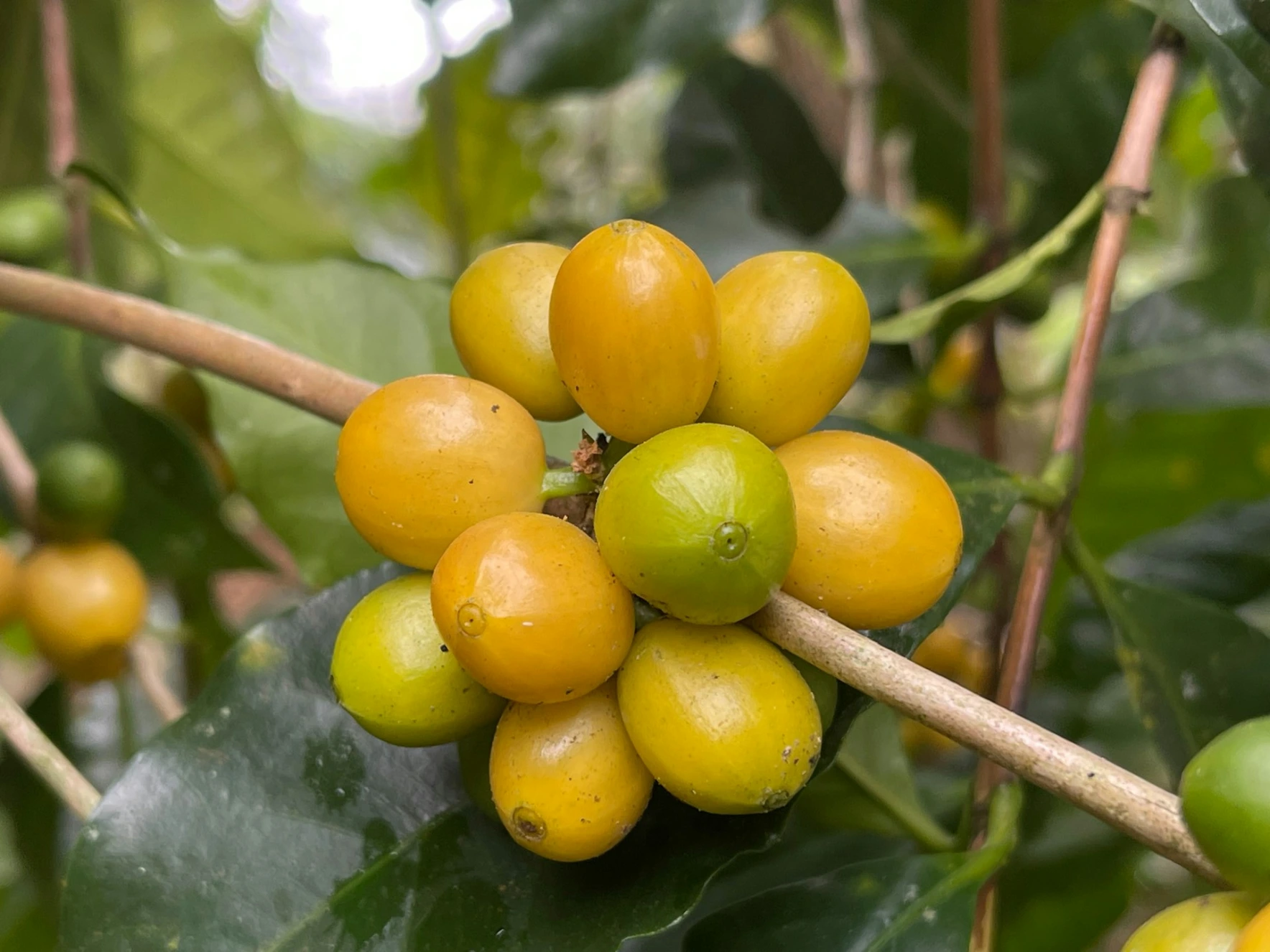
This makes Da Lat an interesting point of comparison with Jamaica Blue Mountain.
Key Differences Between Jamaica Blue Mountain and Da Lat Arabica
| Characteristic | Jamaica Blue Mountain | WSCAFE Da Lat Arabica |
|---|---|---|
| Country | Jamaica | Vietnam |
| Region | Blue Mountains, eastern Jamaica | Da Lat, Lam Dong |
| Coffee species | Arabica | Arabica |
| Major variety | Predominantly Typica | Arabica varieties cultivated in Da Lat; WSCAFE sources from local farms |
| Typical elevation | Approximately 900–1,800 m in the broader commercial description | Approximately 1,200–1,500 m according to WSCAFE |
| Climate | Cool, misty, high rainfall mountain climate | Highland tropical climate with distinct rainy and dry seasons |
| Soil | Mountain soils with good drainage | Volcanic/highland soils |
| Processing | Predominantly wet processed | Available processing styles include Natural and Fully Washed, Honey, Anaerobic (processing without molecular oxygen) depending on the coffee |
| Origin protection | Jamaica Blue Mountain® is a regulated and protected designation/trademark | Da Lat is a recognized Vietnamese Arabica origin, but it does not use the Jamaica Blue Mountain regulatory system |
| Cup identity | Traditionally associated with balance, smoothness and delicate flavor | Can show diverse profiles depending on variety, processing and farm |
The table shows an important point: both coffees are highland Arabicas, but they are not the same type of coffee experience.
Jamaica Blue Mountain derives much of its identity from a tightly regulated geographic origin and long-established international reputation. Da Lat Arabica, meanwhile, reflects Vietnam's highland terroir and the diversity of Arabica varieties and processing methods used by local producers.
Why Da Lat Is an Interesting Arabica Origin
Da Lat has several characteristics that make it particularly suitable for Arabica production.
The Langbian highlands provide elevations generally ranging from around 1,200 to 1,500 meters in the areas described by WSCAFE. The region also has volcanic soils, significant rainfall, and a cooler highland climate compared with Vietnam's lower-elevation coffee-growing regions.
Historically, Arabica varieties including Typica, Bourbon, Moka and Caturra have been cultivated in the wider Da Lat area. Catimor has also become widely planted because of its greater resistance to coffee leaf rust.
Cau Dat, near Da Lat, is particularly well known among Vietnamese coffee professionals and consumers for Arabica production.
For international buyers, this gives Da Lat an interesting position: it combines the characteristics of a highland Arabica origin with Vietnam's distinctive coffee-growing history.
How WSCAFE Da Lat Arabica Fits Into the Comparison
WSCAFE's Da Lat Arabica is positioned as a single-origin specialty coffee from Vietnam's Da Lat–Lam Dong region.
WSCAFE describes its green Arabica coffee as being sourced directly from local coffee farms in Da Lat and identifies three processing approaches available for its Arabica offering: Natural, Fully Washed, and other processing styles depending on the coffee.
This creates an important difference from simply comparing two "Arabica coffees."
The origin tells us where the coffee comes from, but the final cup is also influenced by variety + farm + altitude + processing + roasting + brewing.
Some say that Da Lat arabica is featured with rich aroma, lemon citrus, bread-baked flavors, and chocolaty after-taste. Some lots are added with earthy notes.
Therefore, a washed Da Lat Arabica and a natural-process Da Lat Arabica can produce noticeably different sensory experiences even though both come from the same broad geographical origin.
For coffee buyers, this flexibility can be an advantage when selecting a Vietnamese Arabica for different markets, roasting profiles, or beverage applications.
Jamaica Blue Mountain and Da Lat: Two Highland Arabicas, Two Coffee Stories
Jamaica Blue Mountain and Da Lat Arabica share several fundamental characteristics.
Both are:
Arabica coffees
Associated with mountainous growing regions
Cultivated at relatively high elevations
Influenced by cool highland climates
Strongly connected to their geographic origins
Capable of producing distinctive specialty coffee profiles
But their stories are different.
Jamaica Blue Mountain represents a highly protected and tightly regulated coffee origin with a long-established premium reputation.
Da Lat Arabica represents Vietnam's emerging and evolving specialty Arabica identity, supported by the highland terroir of Lam Dong and a growing range of varieties, farms, and processing techniques.
For coffee professionals, comparing the two is therefore less about deciding which origin is "better" and more about understanding how different terroirs and production systems shape Arabica coffee.
Why Origin Matters in Specialty Coffee
One of the most fascinating aspects of specialty coffee is that coffee is never simply "Arabica."
The word Arabica describes the species, but the final character of a coffee depends on where and how it is grown and processed.
A coffee from Jamaica can have a very different character from one grown in Vietnam, Ethiopia, Colombia, or Brazil—even when the coffees share the same species.
This is the essence of terroir in coffee.
Altitude influences temperature and cherry development. Climate affects flowering and ripening. Soil contributes to the growing environment. Variety influences the genetic potential of the plant. Processing shapes the flavors that emerge after harvest. Roasting then transforms the green coffee into the beverage we know.
That is why coffee lovers continue to explore single-origin coffees from different parts of the world.
Discover the World Through Coffee
Jamaica Blue Mountain Coffee is a fascinating example of how geography, tradition, regulation, and careful processing can create a distinctive coffee identity.
At the same time, Da Lat Arabica demonstrates that Vietnam has more to offer the international coffee market than its famous Robusta production.
From the misty Blue Mountains of Jamaica to the highlands of Da Lat, each coffee-growing region tells a different story.
For coffee professionals and buyers, exploring these origins is not simply about finding one coffee to replace another. It is about understanding the diversity of Arabica—and discovering how the combination of place, variety, climate, processing, and craftsmanship shapes every cup.
If you are looking for Vietnamese Arabica for wholesale, specialty coffee, or private-label applications, WSCAFE Da Lat Arabica offers an opportunity to explore one of Vietnam's best-known highland coffee origins.